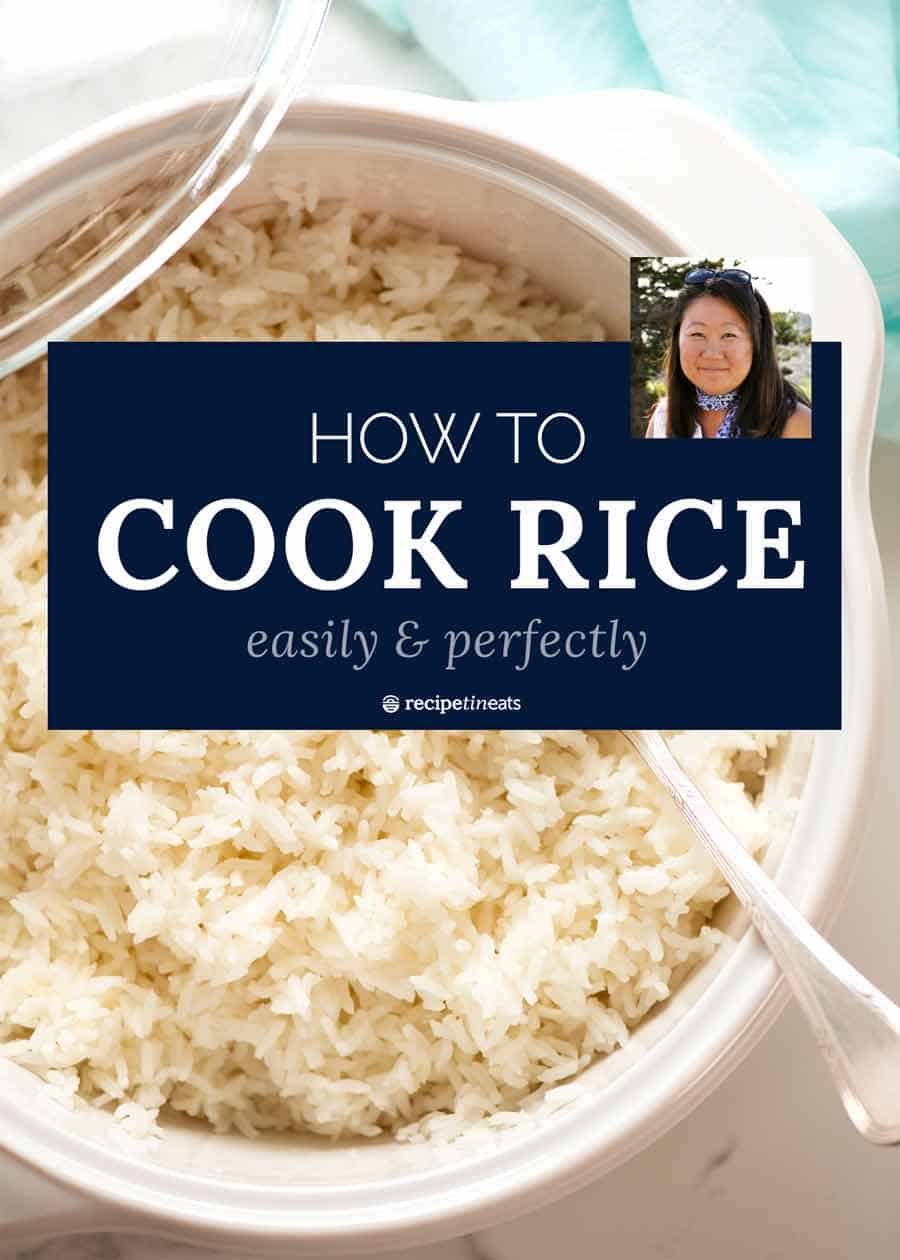
Your Guide to Easy Stovetop White Rice in Under 30 Minutes
For many, the thought of cooking white rice on the stovetop conjures images of sticky messes, burned bottoms, or unappetizingly crunchy grains. It's a culinary challenge that often leads people to specialized rice cookers or pre-cooked packets. But what if we told you that mastering a reliable
how to cook white rice recipe in a simple saucepan is not only achievable but remarkably easy and quick? In under 30 minutes, you can transform humble grains into perfectly fluffy, tender white rice that’s ready to complement any meal. Forget the fear and embrace the simplicity – your journey to foolproof stovetop rice starts here.
Why Stovetop White Rice is Your New Go-To
There seems to be two camps when it comes to rice in the home kitchen: those who always have a fresh pot ready, and those who only pull it out for special occasions, or when they resort to takeout. If you're in the latter group, struggling with consistency, this guide is designed to shift you firmly into the former. You don't need fancy gadgets or culinary degrees; just a few fundamental principles and a standard saucepan will unlock consistent perfection.
White rice, by definition, is rice that has had its outer husk, bran, and germ removed, leaving behind the starchy white kernel. It's a versatile, inexpensive, and globally beloved pantry staple. Within the category of white rice, there are three primary types, each with unique characteristics:
*
Long-grain rice: Characterized by its long, slender kernels, this variety cooks up light and fluffy with distinct grains. It’s ideal for side dishes where you want the rice to remain separate and not clump together. Examples include Basmati and Jasmine rice.
*
Medium-grain rice: With shorter, wider kernels than long-grain, medium-grain rice tends to be a bit starchier and moister, making it slightly more apt to cling together. Arborio rice, famous for risotto, is a prime example.
*
Short-grain rice: These plump, almost round kernels are the stickiest of the bunch, thanks to their high starch content. Sushi rice is a classic short-grain variety, perfect for forming rolls.
For our easy stovetop method, we'll primarily focus on
long-grain white rice due to its widespread availability and desirable fluffy texture as a side dish. However, the core principles can be adapted to other white rice varieties with minor adjustments to water and cooking time.
The Fundamentals of Foolproof Stovetop Rice
Achieving perfectly cooked rice every time isn't magic; it's a science built on a few simple, repeatable steps.
The Golden Ratio: Water to Rice
The single most critical factor in consistent rice cooking is the water-to-rice ratio. For plain long-grain white rice, the universally recommended starting point is
2 cups of water for every 1 cup of uncooked rice. This ratio ensures that the rice absorbs just enough liquid to become tender without turning mushy or leaving dry, uncooked grains. Following this ratio will yield approximately 3 cups of cooked rice from 1 cup of uncooked grains, making it easy to scale for larger or smaller servings. Remember, consistency is key – use precise measurements every time.
To Rinse or Not to Rinse? (A Clear Answer!)
This is a frequently debated topic among home cooks. While some might consider it an optional extra step, rinsing your dry rice before cooking offers a tangible benefit:
fluffier, more distinct grains. The reason is simple: rinsing removes excess surface starch. This starch, if left on the grains, can create a glue-like texture during cooking, causing the rice to stick together excessively. A quick rinse under cold running water in a fine-mesh sieve until the water runs clear is a small effort for a significant improvement in texture. While not strictly *necessary* for all types of long-grain white rice, especially for this basic recipe, it’s a practice we highly recommend for the best possible outcome. For a deeper dive into this and other secrets to perfect rice, check out our guide on
Unlock Perfect White Rice: Rinsing, Ratio, & Cooking Secrets.
Temperature Control: The Gentle Simmer
Temperature management is another cornerstone of our foolproof method. You want to bring your rice and water mixture to a
rolling boil first. This initial high heat ensures even distribution and kicks off the cooking process efficiently. However, the moment it reaches a boil, you must immediately reduce the heat to the lowest possible setting. The goal is a gentle simmer, where the liquid barely bubbles. It's crucial to cover the pot tightly at this point. Resist the urge to lift the lid or stir the rice during the simmering phase. Lifting the lid releases precious steam, which is vital for even cooking, and stirring can break the delicate rice grains, leading to a starchy, mushy texture. Keep a watchful eye until it's covered and simmering, then let it do its work undisturbed.
Timing is Everything: Precision Cooking
Cooking time is crucial and requires the use of a timer. After bringing the rice to a boil and reducing it to a gentle simmer with the lid on, let it cook for approximately
15 minutes. This timing is a general guideline; slight variations can occur based on your stove's efficiency and the type of pot you use.
After 15 minutes, check the rice. If the pot appears dry and the rice is still firm or slightly crunchy, it might need a touch more liquid. Add 1 or 2 tablespoons of hot water, replace the lid, and let it cook for another 2-3 minutes. This subtle adjustment can save an otherwise undercooked batch.
Once the liquid is absorbed and the rice is tender, immediately remove the pot from the heat. Here's a pro tip that many overlook:
do not lift the lid! Let the rice steam, still covered, for an additional 5 to 10 minutes. This resting period allows the steam to redistribute moisture, making the rice incredibly fluffy and preventing it from becoming clumpy or sticky. It's the secret to those distinct, separate grains everyone loves.
Your Step-by-Step Stovetop White Rice Recipe
Ready to put these principles into practice? Here's your definitive
how to cook white rice recipe, promising perfect results in under 30 minutes.
Ingredients:
* 1 cup long-grain white rice (e.g., Basmati, Jasmine)
* 2 cups cold water
* ½ teaspoon salt (optional, but enhances flavor)
* 1 teaspoon butter or olive oil (optional, helps prevent sticking and adds richness)
Equipment:
* Heavy-bottomed saucepan with a tight-fitting lid (crucial for even heat distribution)
* Measuring cups
* Fine-mesh sieve (for rinsing)
* Timer
Instructions:
1.
Rinse the Rice (Optional but Recommended): Place the 1 cup of long-grain white rice in a fine-mesh sieve. Rinse under cold running water, gently swirling the rice with your hand, until the water runs mostly clear. This removes excess surface starch for a fluffier result. Drain well.
2.
Combine Ingredients: In your heavy-bottomed saucepan, combine the rinsed rice, 2 cups of cold water, salt, and butter/oil (if using). Stir once or twice to distribute ingredients evenly.
3.
Bring to a Boil: Place the saucepan over medium-high heat. Bring the water to a rolling boil. Keep an eye on it to prevent boiling over.
4.
Reduce Heat & Simmer: As soon as the water reaches a rolling boil, immediately reduce the heat to the lowest setting your stove offers. Cover the pot tightly with its lid. Do not peek!
5.
Set the Timer: Let the rice simmer undisturbed for exactly
15 minutes.
6.
Check for Doneness (If Needed): After 15 minutes, carefully lift the lid and check the rice. All the water should be absorbed, and the rice should be tender. If it's still a bit firm or seems dry at the bottom, add 1-2 tablespoons of hot water, replace the lid, and cook for another 2-3 minutes.
7.
Steam and Rest: Once cooked, remove the pot from the heat entirely.
Leave the lid on! Let the rice rest and steam for an additional 5 to 10 minutes. This crucial step allows the grains to firm up and become wonderfully fluffy.
8.
Fluff and Serve: After resting, remove the lid. Use a fork to gently fluff the rice. Serve immediately as a delightful side dish or as the base for your favorite mains.
For a visually guided walkthrough and more confidence, our
Foolproof Stovetop White Rice: A Simple 30-Minute Guide offers additional insights and tips.
Mastering Your Rice: Pro Tips & Troubleshooting
Even with a reliable recipe, understanding how to adapt and troubleshoot can elevate your rice game.
Adapting for Different White Rice Varieties
While this
how to cook white rice recipe is optimized for long-grain, the core method can be adjusted for other white rice types like Basmati or Jasmine. These aromatic long-grain varieties typically follow the same 2:1 water-to-rice ratio, but sometimes a slightly smaller amount of water (e.g., 1.75 cups water to 1 cup rice) can yield an even fluffier result for Basmati, and Jasmine might benefit from a minute or two less cooking time. Always remember that your specific stove, pot, and even altitude can influence cooking times. When you find the ideal combination that works in your kitchen, write it down! Following that precise formula will guarantee consistent perfection every single time.
Troubleshooting Common Rice Woes
*
Mushy Rice: Often caused by too much water, cooking for too long, or not allowing it to steam properly after cooking. Ensure your water ratio is exact and don't skip the resting period.
*
Crunchy/Undercooked Rice: The opposite problem – not enough water, not enough cooking time, or repeatedly lifting the lid during simmering, which allows steam to escape. Be patient and trust the process.
*
Burned Bottom: Usually a sign that the heat was too high during the simmering phase, or your pot has a very thin bottom. Use a heavy-bottomed pot and ensure the heat is truly on its lowest setting.
Elevating Your Plain Canvas
Remember, plain white rice is a magnificent blank canvas. It’s an excellent, inexpensive side dish that won't overshadow your main course, and it pairs beautifully with almost anything. To add extra flair, consider these ideas:
*
Aromatic Liquids: Swap a portion or all of the water for chicken, vegetable, or beef broth for an immediate flavor boost.
*
Fats: Stir in a pat of butter, a drizzle of olive oil, or even a teaspoon of coconut oil after fluffing for added richness and flavor.
*
Herbs and Spices: Add fresh or dried herbs (like parsley, cilantro, or thyme), a bay leaf, or a pinch of spices (turmeric for color, cumin for warmth) to the cooking water.
*
Citrus: A squeeze of fresh lemon or lime juice after cooking can brighten the flavor.
*
Garlic/Onion: Sauté minced garlic or finely chopped onion in a little oil in the pot before adding the rice and water for a fragrant base.
White rice also excels at soaking up sauces, making it the perfect partner for curries, stir-fries, stews, and braised meats.
Conclusion
There you have it – a comprehensive guide to preparing easy, fluffy, and perfectly cooked white rice on your stovetop in under 30 minutes. No more crunchy grains, no more mushy messes, and certainly no need for specialized equipment. By understanding the golden water-to-rice ratio, the importance of rinsing, precise temperature control, and crucial timing, you are now equipped to conquer this kitchen staple with confidence. Armed with this
how to cook white rice recipe, you'll find yourself reaching for that bag of rice more often, ready to whip up a satisfying side dish that effortlessly complements any meal. Happy cooking!