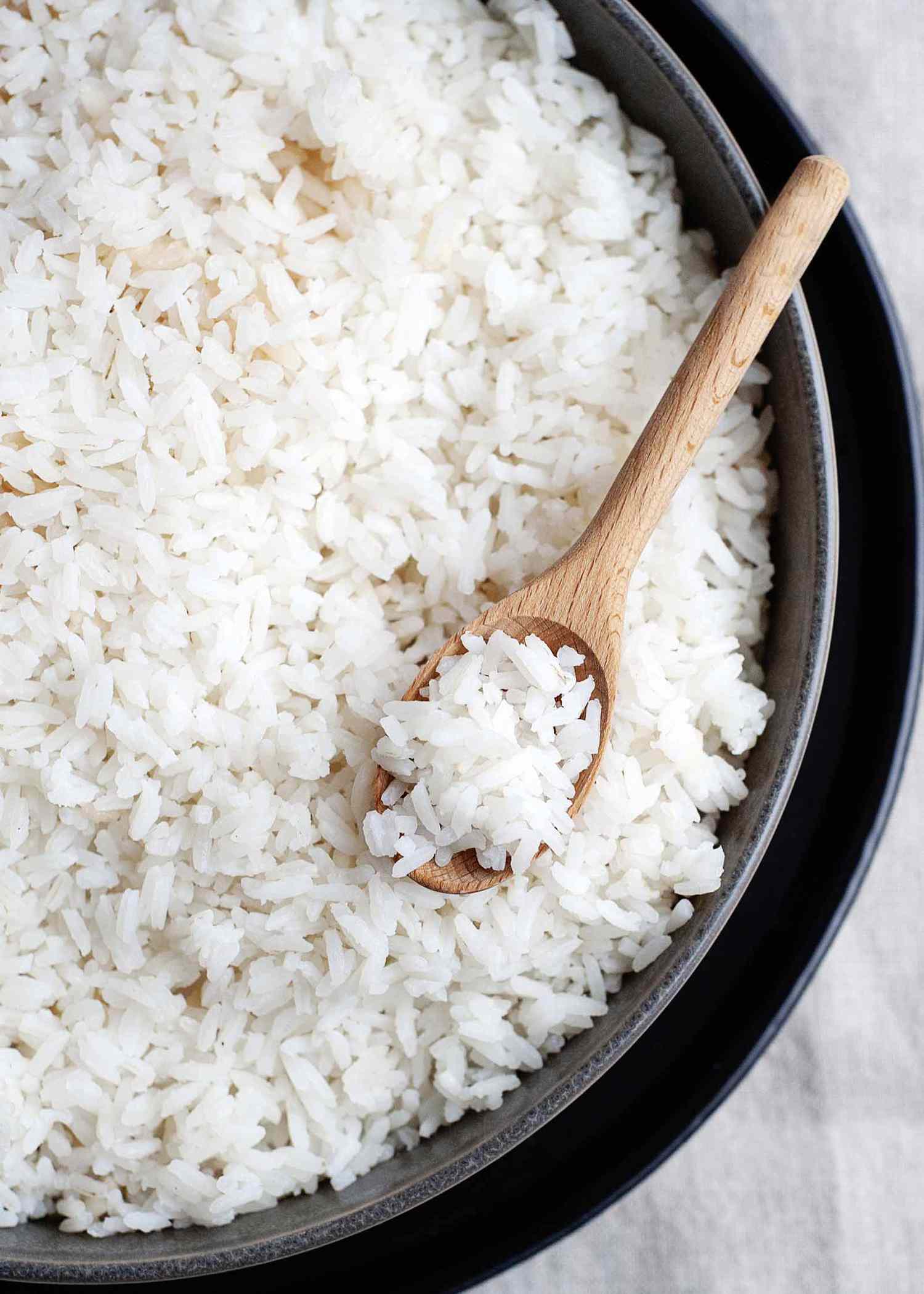
Tired of sticky, mushy, or stubbornly crunchy white rice? You're not alone! For many home cooks, achieving that perfectly fluffy, distinct-grained white rice on the stovetop feels like a culinary mystery. But what if we told you that foolproof white rice is not only attainable but also incredibly simple and can be ready in under 30 minutes? Forget the rice cooker; with a few fundamental principles and this comprehensive how to cook white rice recipe, you'll master this essential side dish and elevate countless meals.
This guide will equip you with the knowledge and confidence to transform a humble pantry staple into a culinary triumph, ensuring you never settle for subpar rice again. Ready to unlock the secrets to perfectly cooked white rice?
Demystifying White Rice: What You Need to Know
Before we dive into the cooking process, let's understand the star of our show: white rice. Practically speaking, white rice is simply brown rice that has had its outer layers – the bran and germ – removed. This processing gives it a longer shelf life and a lighter, softer texture, though it does remove some nutrients (often added back through enrichment).
White rice isn't a monolithic entity; it comes in various forms, each with unique characteristics that influence its best use:
- Long-Grain White Rice: As its name suggests, these grains are long and slender. When cooked, they tend to be light, fluffy, and separate, making them ideal as a versatile side dish that won't clump together. Basmati and Jasmine rice are popular aromatic long-grain varieties that fall into this category, though standard long-grain white rice is what we'll focus on for this basic recipe.
- Medium-Grain White Rice: Shorter and wider than long-grain, medium-grain rice has a higher starch content. This means it becomes moister and more tender when cooked, with a slight tendency to cling together. Arborio rice, famous for risotto, is a prime example.
- Short-Grain White Rice: These grains are plump, nearly round, and the stickiest of the bunch due to their highest starch content. Sushi rice is the most well-known short-grain variety, perfect for dishes where grains need to hold their shape.
For this foolproof stovetop method, we'll be primarily focusing on long-grain white rice, celebrated for its fluffy texture and ability to complement virtually any main course without overshadowing it.
The Essentials of a Foolproof Stovetop White Rice Recipe
Cooking perfect white rice on the stovetop boils down to a few critical, yet simple, principles. Master these, and you'll be cooking like a pro every time.
The Perfect Ratio: Water to Rice Harmony
The golden rule for basic long-grain white rice is a 2 cups of water to 1 cup of uncooked rice ratio. This proportion is the cornerstone of achieving tender, fluffy grains. Stray too far, and you risk mushy or crunchy results. One cup of uncooked long-grain white rice typically yields about three cups of cooked rice, making it easy to scale up or down based on your needs.
While this 2:1 ratio is a reliable starting point for most long-grain varieties, remember that certain types like basmati or jasmine might benefit from a slightly smaller water ratio (e.g., 1.75 cups of water to 1 cup of rice) due to their unique starch content and absorbency. However, for a standard long-grain white rice, stick to the 2:1 rule and you'll be golden!
Rinsing: The Secret to Fluffiness
You might have heard debates about whether to rinse rice. For the best texture in stovetop white rice, rinsing is a simple step that makes a significant difference. Rinsing the dry grains under cold water before cooking helps to remove excess surface starch. This is crucial because that extra starch is what can cause rice kernels to stick together, resulting in a gummy or mushy texture. By rinsing, you're paving the way for those beautifully distinct, fluffy grains we all desire.
How to Rinse: Place your measured rice in a fine-mesh sieve or a bowl. Run cold water over it, swirling the grains gently with your hand. The water will initially appear cloudy; continue rinsing and swirling until the water runs mostly clear. This usually takes 2-3 rinses. Drain thoroughly before cooking.
Temperature Control: The Simmering Sweet Spot
Temperature management is key to even cooking. The process involves two distinct phases:
- Bring to a Boil: Start by bringing the water (and rice) to a rapid boil over medium-high heat. This ensures the rice starts cooking quickly and absorbs moisture efficiently.
- Immediately Reduce to a Simmer: The moment the water comes to a rolling boil, immediately reduce the heat to the lowest setting. The goal is a gentle, consistent simmer, not a vigorous boil. This low heat allows the rice to steam cook slowly and absorb the water without scorching the bottom or becoming mushy. Crucially, as soon as you reduce the heat, cover the pot tightly with a lid.
The lid is non-negotiable during the simmering phase. It traps the steam, which is essential for cooking the rice evenly and thoroughly. Resist the urge to peek or lift the lid, as this releases valuable steam and can disrupt the cooking process.
Timing is Everything: Patience Pays Off
The actual cooking time for white rice typically ranges from 15 to 20 minutes once it's simmering, but this can vary depending on your stove, the type of pot, and even altitude. It's essential to use a timer and try not to interrupt the cooking process by removing the lid.
- Initial Cooking: For most long-grain white rice, a good starting point is 15 minutes of simmering on low heat, covered.
- Checking for Doneness: After 15 minutes, if the pot seems dry but the rice isn't quite tender, you can add 1 or 2 tablespoons of water, quickly replace the lid, and continue cooking for another 2-5 minutes.
- The Critical Rest: Once the rice is tender and the water is absorbed, take the pot off the heat but keep the lid on. Let it rest for another 5 to 10 minutes. This resting period allows the steam to redistribute within the grains, making them fluffier and preventing stickiness. Do not skip this step!
Every kitchen is unique. We highly recommend noting down the specific stove setting, exact cooking time, and pot that works best for you. Once you find your perfect formula, stick to it every time for consistent, excellent results. For more in-depth timing strategies, check out Your Guide to Easy Stovetop White Rice in Under 30 Minutes.
Your Step-by-Step Foolproof Stovetop White Rice Recipe
Here’s your comprehensive guide to making perfect, fluffy white rice on the stovetop:
Yields: 3 cups cooked rice | Prep time: 5 minutes | Cook time: 20-25 minutes | Total time: ~30 minutes
Ingredients:
- 1 cup long-grain white rice
- 2 cups cold water
- ½ teaspoon salt (optional, but highly recommended for flavor)
- 1 tablespoon butter or a drizzle of oil (optional, for flavor and to prevent sticking)
Equipment:
- Heavy-bottomed saucepan with a tight-fitting lid (2-quart size recommended for 1 cup rice)
- Fine-mesh sieve (for rinsing)
- Measuring cups
- Timer
- Fork (for fluffing)
Instructions:
- Rinse the Rice: Place the 1 cup of long-grain white rice in a fine-mesh sieve. Rinse thoroughly under cold running water, swirling the rice with your hand, until the water runs mostly clear (2-3 minutes). Drain well.
- Combine Ingredients: Transfer the rinsed rice to your heavy-bottomed saucepan. Add the 2 cups of cold water, ½ teaspoon of salt (if using), and 1 tablespoon of butter or oil (if using). Stir gently to combine.
- Bring to a Boil: Place the saucepan over medium-high heat. Bring the water and rice to a rolling boil. Keep an eye on it to ensure it doesn't boil over.
- Reduce Heat and Simmer: As soon as the water reaches a full boil, immediately reduce the heat to the lowest setting. Cover the pot tightly with the lid. Do not lift the lid during cooking.
- Cook for 15 Minutes: Set a timer for 15 minutes. Let the rice simmer undisturbed on low heat.
- Check for Doneness (If Necessary): After 15 minutes, remove the pot from the heat. If you suspect the water hasn't fully absorbed or the rice isn't tender, you can quickly lift the lid to check. If it's dry but firm, add 1-2 tablespoons of hot water, quickly replace the lid, and cook for another 2-5 minutes on low heat.
- Rest the Rice: Once the rice is cooked and all water is absorbed, remove the pot from the heat (or turn off the burner if it's still on) and let it rest, still covered, for another 5-10 minutes. This steaming period is crucial for fluffy, non-sticky rice.
- Fluff and Serve: After resting, remove the lid. Using a fork, gently fluff the rice to separate the grains. Serve immediately as a delicious, versatile side dish!
Beyond the Basics: Tips for Next-Level Rice
Once you’ve mastered the foundational stovetop method, you can start experimenting to elevate your rice even further. Remember, rice is a blank canvas!
Enhancing Flavor
- Use Broth: Instead of plain water, cook your rice in chicken, vegetable, or beef broth for an immediate boost of savory flavor.
- Aromatics: Add whole spices like a bay leaf, a few cardamom pods, a star anise, or a crushed garlic clove to the cooking water. Remove them before serving. Sautéing a bit of finely diced onion or garlic in a touch of oil before adding the rice and water can also build a great flavor base.
- Herbs & Zest: Stir in fresh chopped herbs like parsley or cilantro, or a bit of lemon or lime zest, after the rice has rested and been fluffed.
Troubleshooting Common Rice Woes
- Mushy Rice: Usually a sign of too much water, cooking at too high a heat, or not allowing it to rest. Next time, try slightly reducing water (e.g., 1.9 cups for 1 cup rice) or ensuring heat is truly on its lowest setting during simmering.
- Crunchy or Undercooked Rice: This indicates too little water or insufficient cooking time. Ensure your lid is tight-fitting and you’re not peeking, which lets steam escape. If you find it crunchy after the rest, add a splash of hot water, re-cover, and steam for another 5 minutes on low heat.
- Burnt Bottom: Almost always due to heat being too high during the simmering phase. Use the absolute lowest setting your stove offers for a gentle simmer. A heavy-bottomed pot also helps distribute heat more evenly.
Storage and Reheating
Cooked white rice can be stored in an airtight container in the refrigerator for up to 3-4 days. To reheat, sprinkle a tablespoon or two of water over the rice, cover, and microwave until hot, or gently heat in a saucepan on the stovetop with a little water until warmed through. Fluff with a fork before serving.
Mastering how to cook white rice on the stovetop is a fundamental skill that will serve you well in countless culinary adventures. No special equipment is needed, just a saucepan, a few simple ingredients, and a handful of easy-to-follow steps. By understanding the importance of the correct water-to-rice ratio, the magic of rinsing, precise temperature control, and the critical resting phase, you can consistently achieve fluffy, tender, and delicious white rice every time. This inexpensive and versatile side dish truly is a blank canvas, ready to soak up the flavors of any meal you pair it with. So go ahead, try this foolproof method tonight, and discover the joy of perfectly cooked rice!
