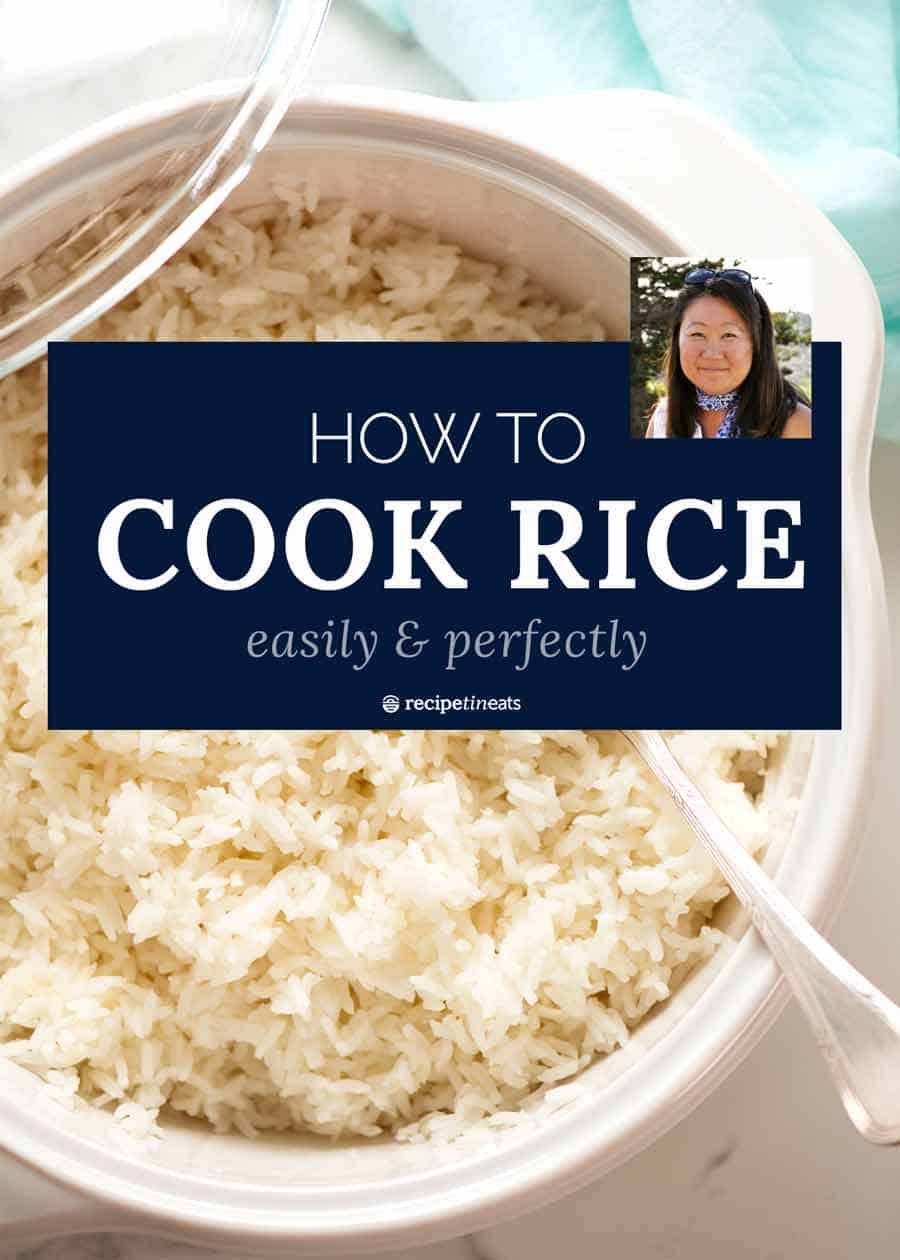
Unlock the Secrets to Perfect White Rice: Your Ultimate Stovetop Guide
For many, the idea of cooking truly perfect white rice on the stovetop seems like an elusive culinary feat. Visions of mushy, crunchy, or burnt grains often lead home cooks to rely on rice cookers or pre-packaged alternatives. But what if we told you that consistently fluffy, tender, and perfectly separate white rice is not only achievable but surprisingly simple? You don't need a fancy appliance or years of experience; just a few foundational secrets, a saucepan, and this comprehensive guide on how to cook white rice recipe.
Forget the guesswork and embrace the confidence of creating an inexpensive, versatile, and delicious side dish that complements virtually any meal. We��re here to demystify the process, from understanding rice varieties to mastering the crucial steps of rinsing, achieving the ideal water-to-rice ratio, and nailing the cooking technique. Get ready to transform your kitchen into a haven of perfectly cooked grains, ready in under 30 minutes. If you're looking for a quick and reliable method, you might also find our guides on Foolproof Stovetop White Rice: A Simple 30-Minute Guide and Your Guide to Easy Stovetop White Rice in Under 30 Minutes incredibly helpful.
The Foundation: Understanding White Rice Varieties
Before diving into the cooking process, it’s helpful to understand what white rice is and its common categories. Simply put, white rice is brown rice that has undergone a milling process to remove its outer husk (the hull), bran layer, and germ. This process gives it its characteristic white appearance, milder flavor, and longer shelf life.
There are three primary categories of white rice, primarily distinguished by grain length and starch content:
- Long-Grain Rice: This is arguably the most common variety for everyday meals. Characterized by its long, slender kernels, long-grain white rice cooks up light, fluffy, and with distinct, separate grains. Examples include Basmati and Jasmine rice, often served as a side dish to soak up rich sauces. Our primary focus for this how to cook white rice recipe will be on mastering this versatile type.
- Medium-Grain Rice: With kernels shorter and wider than long-grain rice, medium-grain varieties have a slightly higher starch content. This results in a cooked texture that is moister and tends to cling together more than long-grain rice, but it's not overly sticky. Arborio rice, essential for risotto, is a popular example.
- Short-Grain Rice: These plump, almost round kernels are rich in starch, making them quite soft and sticky when cooked. Sushi rice is a prime example, perfect for dishes where grains need to adhere together.
While the core principles of stovetop cooking remain consistent, slight adjustments in water ratio and cooking time may be necessary when adapting this method for medium or short-grain varieties.
Step One to Perfection: The Art of Rinsing Rice
One of the most debated topics in rice preparation is whether or not to rinse the rice. While not strictly mandatory for *all* long-grain white rice, especially for every basic recipe, we strongly recommend it for achieving the best possible texture. Rinsing is a simple step that yields significant rewards.
Why Rinsing Matters
Dry rice kernels often have a fine layer of excess starch on their surface, a byproduct of the milling process. If this starch isn't removed before cooking, it can dissolve into the cooking water, turning it cloudy and ultimately leading to stickier, gummier, or even gluey rice. By rinsing, you wash away this surface starch, promoting fluffier cooked grains that are distinct and less prone to clumping.
How to Rinse Rice Effectively
- Place Rice in a Bowl: Measure your dry rice and place it in a medium-sized bowl.
- Add Cold Water: Cover the rice with cold water.
- Swirl and Agitate: Gently swirl the rice with your hand for about 30 seconds. You'll immediately notice the water becoming cloudy – that's the excess starch.
- Drain and Repeat: Carefully drain the cloudy water, being mindful not to lose any grains. Repeat this process (adding fresh water, swirling, draining) two to three times, or until the water runs mostly clear. It doesn't have to be perfectly transparent, but noticeably clearer than the first rinse.
- Final Drain: Drain the rice thoroughly using a fine-mesh sieve.
This quick preparatory step significantly contributes to the overall success of your how to cook white rice recipe.
Mastering the Water-to-Rice Ratio (The Golden Rule)
Without a doubt, the water-to-rice ratio is the single most critical factor in achieving perfectly cooked rice. It’s the golden rule that dictates whether your rice will be tender and fluffy or undercooked and crunchy, or worse, overcooked and mushy. For plain long-grain white rice, adhere to this straightforward formula:
For every 1 cup of uncooked long-grain white rice, use 2 cups of water.
This ratio is meticulously calculated to allow the rice to fully absorb the necessary moisture, expand, and cook through without becoming waterlogged or remaining dry. A single cup of uncooked long-grain rice, prepared with this ratio, will typically yield approximately 3 cups of beautifully cooked rice, making it perfect for several servings or meal prepping.
Why this Ratio Works
Rice cooking is essentially a process of hydration and steaming. The grains absorb water as they cook, expanding in size and softening in texture. The 2:1 water-to-rice ratio ensures there's enough liquid for full absorption, plus a small amount that will evaporate, creating a steamy environment within the pot. Too much water will result in soggy, sticky rice because the grains become oversaturated. Too little, and the rice won't cook fully, leaving you with dry, hard kernels and potentially a burnt bottom. Consistency here is key to a reliable how to cook white rice recipe.
While this 2:1 ratio is excellent for most long-grain white rice varieties, some specific types like Basmati or Jasmine might benefit from a slight adjustment (e.g., 1.75 cups water per 1 cup rice) due to their unique starch structures. However, start with the 2:1 ratio and adjust only if you consistently find your rice too wet.
Beyond the Basics: The Cooking Method for Flawless Results
Once you've rinsed your rice and measured your water, the cooking process itself is a series of controlled steps. The key is to manage temperature and time effectively.
- Combine Ingredients: In a heavy-bottomed saucepan with a tight-fitting lid, combine your rinsed rice and the measured cold water (2 cups water for every 1 cup of rice). For enhanced flavor, you can add a pinch of salt at this stage.
- Bring to a Boil: Place the saucepan over high heat and bring the water to a vigorous, rolling boil. Do not cover the pot yet. This initial high heat rapidly brings the liquid to temperature.
- Reduce Heat and Cover: As soon as the water reaches a full boil, immediately reduce the heat to the lowest possible setting. This is crucial for preventing the rice from burning at the bottom while allowing it to steam cook. Promptly cover the saucepan with its tight-fitting lid.
- Simmer for 15 Minutes: Set a timer for 15 minutes. During this time, resist the temptation to lift the lid or stir the rice. Lifting the lid releases the steam that is essential for cooking the grains evenly and thoroughly. Stirring can break the delicate grains and activate more starch, leading to stickiness.
- Check and Troubleshoot (if needed): After 15 minutes, gently check the rice. If the pot seems dry but the rice isn't quite tender, you can add 1 or 2 tablespoons of water, quickly re-cover, and allow it to cook for another 2-3 minutes. This rarely happens if the ratio and heat were correct.
- Rest (The Fluffiest Secret): Once the 15 minutes are up (or after any minor troubleshooting), remove the saucepan from the heat. Keep the lid on tightly. Let the rice rest, undisturbed, for another 5 to 10 minutes. This resting period allows the steam to redistribute within the pot, further hydrating the grains and resulting in incredibly fluffy, distinct rice. This step is often overlooked but truly makes a difference.
- Fluff and Serve: Finally, remove the lid and gently fluff the rice with a fork. This separates the grains and releases any remaining steam. Your perfectly cooked white rice is now ready to serve!
Essential Tips for Stovetop Success
- Choose the Right Pot: A heavy-bottomed saucepan is ideal. Its thick base distributes heat more evenly, reducing the risk of burning at the bottom. A tight-fitting lid is non-negotiable to trap steam effectively.
- Know Your Stove: Every stove is different. The "low simmer" setting on one stove might be slightly higher or lower on another. Pay attention the first few times you try this how to cook white rice recipe. When you find the perfect heat setting and cooking time for your kitchen setup, write it down! Consistency is your friend.
- Avoid Overcrowding: Don't try to cook too much rice in too small a pot. The grains need space to expand.
- Seasoning: While salt is the most common seasoning, feel free to experiment. You can cook rice in chicken or vegetable broth instead of water for extra depth of flavor, or add a bay leaf or a pat of butter before covering.
Elevating Your White Rice: Flavor & Serving Ideas
One of the true beauties of perfectly cooked white rice is its versatility. It's a culinary blank canvas, ready to absorb and enhance the flavors of whatever you pair it with. Far from being a bland afterthought, it’s an excellent, inexpensive side dish that won't overshadow your main course.
Infuse Flavor During Cooking
- Broth Power: Swap out water for chicken, beef, or vegetable broth for an instant boost of savory flavor.
- Aromatic Herbs & Spices: Add a bay leaf, a few cardamom pods, a cinnamon stick, or a pinch of turmeric (for color and earthy notes) to the cooking water.
- Fats: Stir in a tablespoon of butter, olive oil, or coconut oil before cooking for a richer mouthfeel and subtle flavor.
- Garlic & Onion: Briefly sauté minced garlic or finely diced onion in a little oil in the pot before adding the rice and water for a fragrant base.
Serving Suggestions
The possibilities are endless! Perfectly cooked white rice is the ideal accompaniment to:
- Asian Cuisine: From stir-fries and curries to teriyaki chicken and sweet and sour pork, rice is a must.
- South American & Caribbean Dishes: A staple with beans, stews, and grilled meats.
- Middle Eastern & Indian Fare: Beautiful alongside tagines, dals, and aromatic meat dishes.
- Simple Home Cooking: Serve with grilled fish, roasted chicken, or even as a base for a nutritious grain bowl with your favorite vegetables and protein.
Its ability to soak up sauces makes it the perfect partner for anything saucy, ensuring every last drop of deliciousness is savored.
Conclusion
Cooking perfect white rice on the stovetop doesn't have to be a daunting task. By understanding the basics of rice varieties, embracing the simple but impactful step of rinsing, adhering to the golden water-to-rice ratio, and following our precise cooking method, you're well on your way to consistently fluffy, tender grains. This how to cook white rice recipe empowers you to bypass the need for a rice cooker and create a staple side dish that will impress every time.
Experiment with different flavors, pair it with your favorite meals, and enjoy the satisfaction of mastering this essential culinary skill. Once you discover how easy and rewarding it is, perfect white rice will undoubtedly become a regular, cherished addition to your dinner table.
